

Monthly dispatch

September 5, 2026 · Greater Phoenix
Hello — Ric here. Whether you're buying, selling, or advising someone who is, inspections feel stressful mostly because of the unknown. We slow down, explain what we're seeing, and walk the home with you so you leave informed—not overwhelmed.
 Ric Wiederhold · CMI · 602.475.1299 · ric@voyagerhomeinspections.com

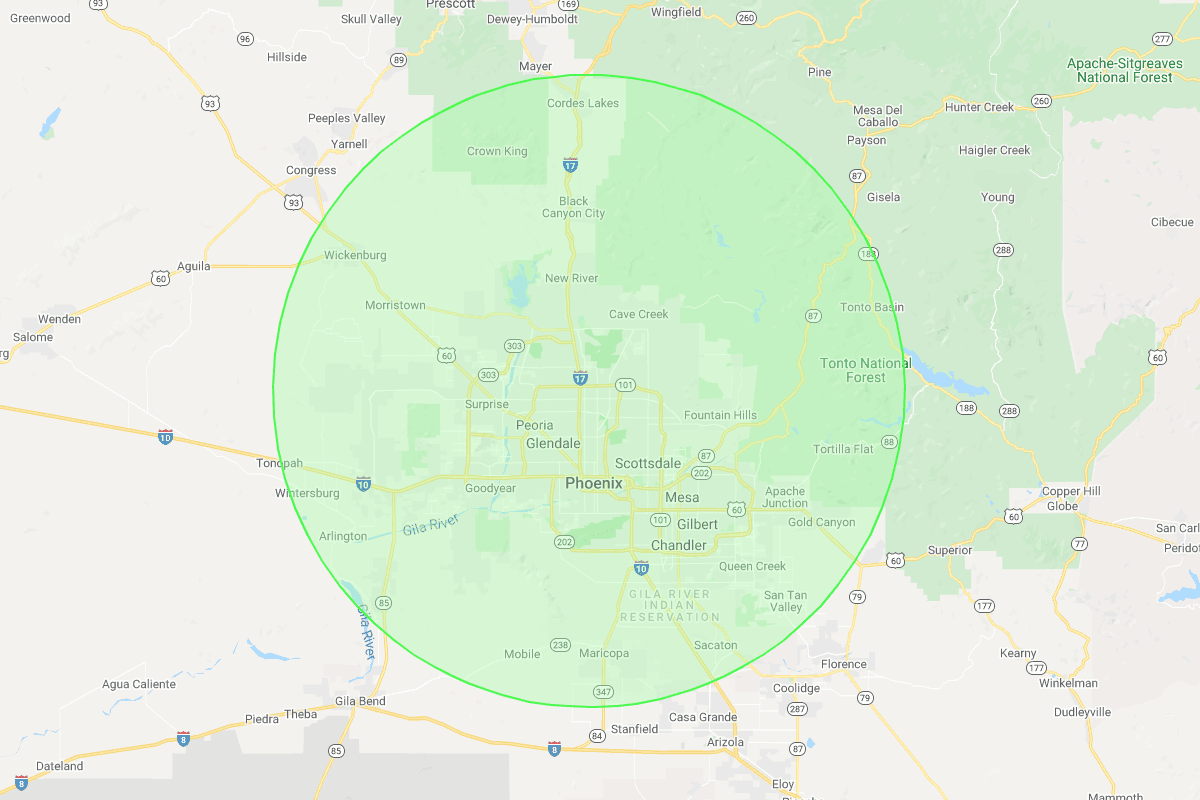
4000+
Homes Inspected
7.8 Million+
Square Feet Inspected
1300+
Pools
Phoenix market · past four weeks
A cooler stretch into early September
$475k
Median list
67 days
On market
~28%
Price cuts
Through August into early September, Phoenix list prices eased—median asking around $475k metro-wide—while homes are taking a little longer to move at about 67 days. Roughly three in ten local listings have taken a price cut, so buyers have real room to talk without the market freezing up. Confirm current figures with your agent. A clear inspection helps everyone move forward with the facts in hand.

Article of the Month
Realtors and the BINSR: how inspection findings move the deal
In Arizona, the BINSR (Buyer’s Inspection Notice and Seller’s Response) is how inspection findings become a formal next step. After the inspection period work is done, the buyer delivers one notice listing disapproved items—and chooses to accept the home as-is, cancel, or give the seller a chance to correct or address the list.
Sellers then respond within the contract timeline (often five days). If they don’t agree to everything, the buyer can cancel or accept and move toward closing. Credits or price changes belong on an addendum—not on the BINSR itself. A clear inspection report makes that realtor-led conversation faster and cleaner for everyone.
Buyer's Pro Tip
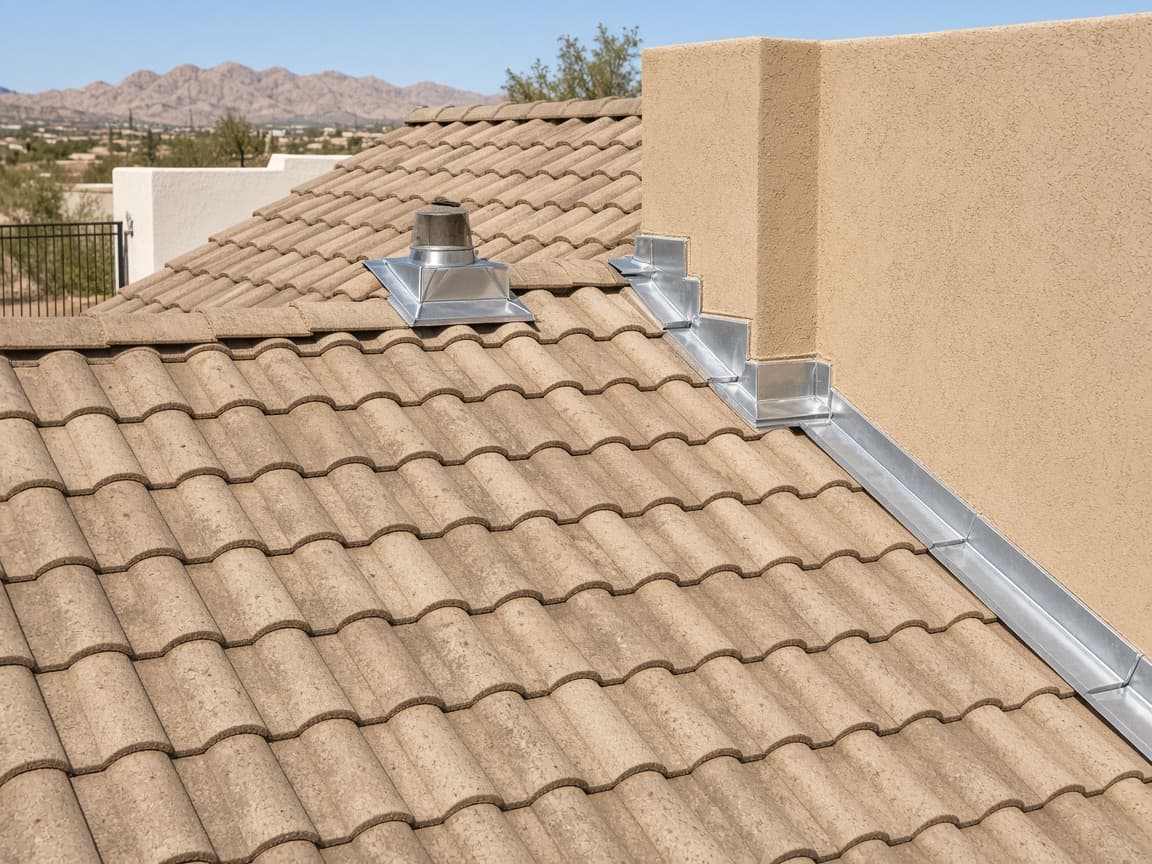
Look at the roof—watch for new flashings
Before you even schedule the inspection, take a minute with the roof. Fresh or mismatched flashings around chimneys, vents, and wall junctions can be a quiet clue that someone fixed a leak—or that water has been an ongoing problem. Bright metal next to weathered tile or shingles is worth a second look.
Google Earth (or Street View) is a free way to peek at the roof and compare older imagery when it’s available. If something looks off—new flashing patches, staining, uneven repairs—call or text us a photo. We’re happy to help you decide whether it’s normal maintenance or something to flag on inspection day.

Seller's Pro Tip
Service the AC and the roof before you list
Two systems show up on almost every Phoenix inspection report: the air conditioner and the roof. A tune-up and a roof check before you list won’t hide problems—but they often shrink the surprise list buyers walk into, and they signal that the home has been cared for.
Have a licensed HVAC tech clean and service the unit, then keep the receipt handy. Same idea for the roof: a local roofer can flag loose tiles, worn flashings, and obvious leak paths while you still have time to fix or disclose them. Buyers notice recent service—and so do inspectors.
When something needs a pro
Field note
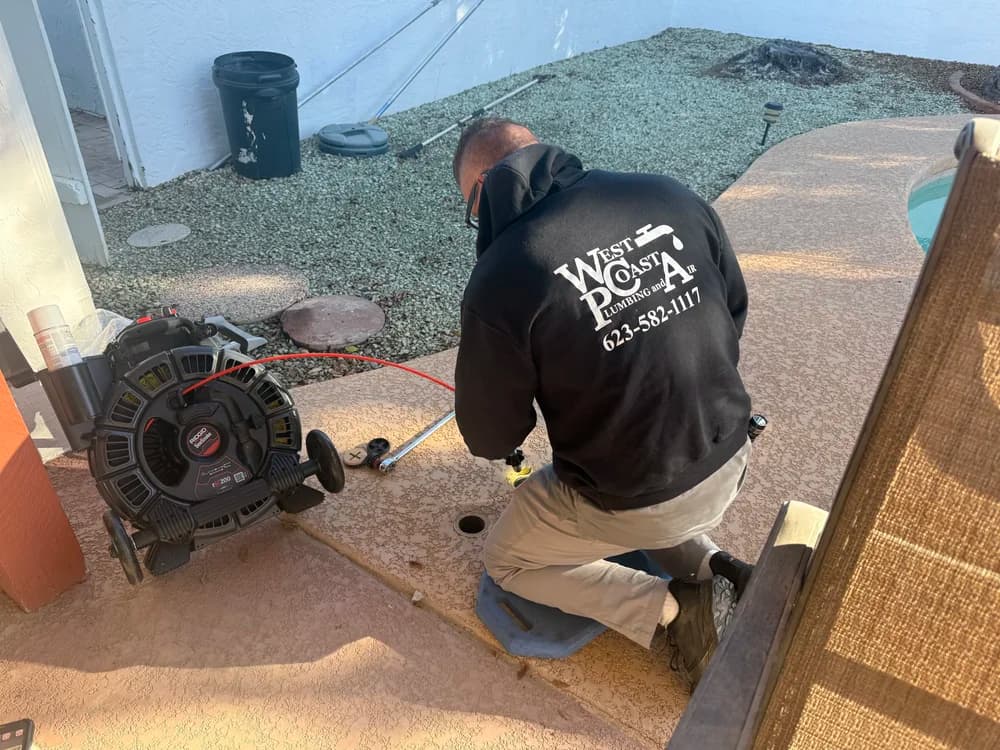
What a sewer camera actually tells you
Age of the home, a successful flush, and even a clean look under the sink don’t describe the lateral under the yard. In Greater Phoenix we routinely find root intrusion, sags (bellies), offset joints, and cracked clay or ABS—conditions that only show up on video.
A sewer scope is how we document what’s there before anyone is negotiating repairs or closing. It’s a practical line item, not a scare tactic: modest cost for a clear picture of a system you can’t see any other way.
How our sewer scopes workEverything is fixable
An inspection shouldn’t scare people out of a good home. Almost everything is fixable and negotiable. Our job is a clear report—with photos—so buyers, sellers, and agents can talk through options together. That’s the most useful path forward.
What clients and agents sayThe final word
An investment in knowledge pays the best interest.
— Benjamin Franklin
Inspection Insights

Useful links
Voyager Home Inspections · Greater Phoenix · All issues
Don’t want these notes? Unsubscribe.